

Navigating UK-Florida Trade Opportunities
Updated: Oct 8, 2025
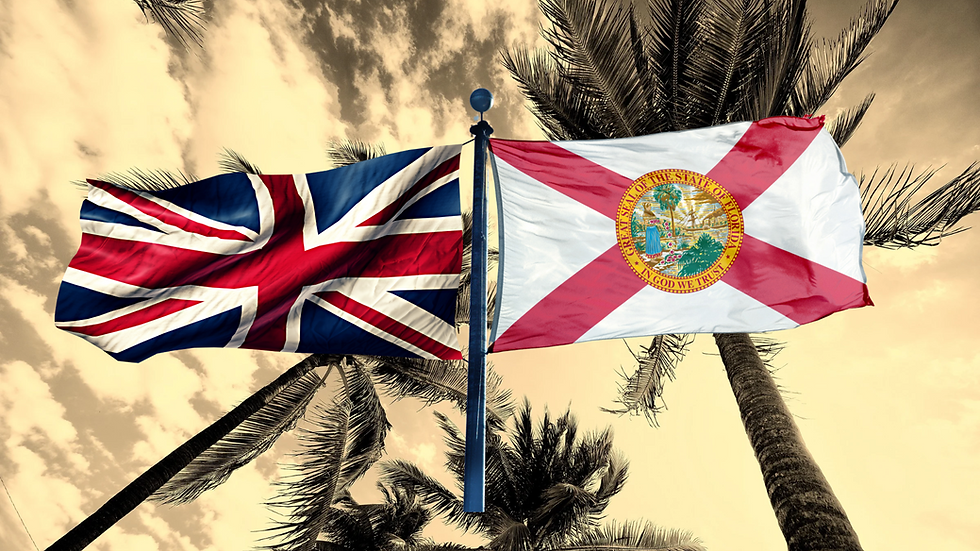
In the ever-evolving world of international commerce, the relationship between the United Kingdom and the United States remains a cornerstone of global trade. Particularly, the dynamic between the UK and Florida offers a wealth of opportunities for businesses seeking to expand their horizons. As someone who has observed and participated in this arena, I am delighted to share insights and practical advice on navigating these trade waters with the utmost finesse and success.
Understanding the Landscape of UK-US Trade Relations
The trade relationship between the UK and the US is one of the most significant bilateral partnerships worldwide. Florida, with its strategic location and robust economy, serves as a vital gateway for British businesses aiming to enter the American market. The state’s diverse industries, ranging from tourism and agriculture to technology and manufacturing, provide fertile ground for collaboration.
One must appreciate the nuances of this relationship. The UK’s departure from the European Union has shifted trade dynamics, making direct UK-US ties even more crucial. Florida’s ports, such as Miami and Jacksonville, are among the busiest in the US, facilitating the smooth flow of goods and services. This infrastructure advantage is complemented by a business-friendly environment, including favourable tax policies and incentives.
To capitalise on these opportunities, British companies should focus on sectors where Florida excels. For instance, the aerospace industry in Florida is booming, with numerous companies engaged in manufacturing and innovation. Similarly, the state’s agricultural exports, including citrus fruits and sugar, align well with UK import demands.
Key Considerations in UK-US Trade Relations
When engaging in trade between the UK and Florida, several critical factors demand attention. Firstly, understanding regulatory requirements is paramount. Both countries have distinct standards and compliance protocols that must be meticulously followed to avoid costly delays or penalties.
Customs procedures, tariffs, and import-export documentation require careful navigation. For example, the UK’s post-Brexit customs framework necessitates new declarations and certifications. Florida’s state regulations may also impose specific conditions depending on the product category.
Secondly, currency fluctuations can impact pricing and profitability. The British pound and US dollar exchange rates are subject to market forces, and businesses should employ hedging strategies or consult financial experts to mitigate risks.
Thirdly, cultural and business etiquette differences, though subtle, influence negotiations and partnerships. British firms are known for their formality and politeness, while American counterparts may prefer a more direct approach. Striking the right balance fosters trust and long-term collaboration.
Lastly, logistics and supply chain management are crucial. Florida’s infrastructure supports efficient distribution, but companies must plan for potential bottlenecks, especially during peak seasons or unforeseen disruptions.
Practical Steps to Enter the Florida Market
Embarking on trade ventures in Florida requires a strategic approach. Here are some actionable recommendations to ensure a smooth entry and sustainable growth:
Conduct Thorough Market Research
Understand local demand, competition, and consumer preferences. Utilize resources such as trade associations, chambers of commerce, and government export agencies.
Establish Local Partnerships
Collaborate with Florida-based distributors, agents, or joint venture partners. Local expertise can provide invaluable insights and facilitate regulatory compliance.
Leverage Trade Missions and Exhibitions
Participate in trade fairs and business delegations to showcase products and network with potential clients and partners.
Adapt Products and Marketing
Tailor offerings to meet local tastes and standards. This may involve packaging adjustments, labelling in compliance with US regulations, or marketing campaigns that resonate with Floridian consumers.
Utilise Support Services
Engage with organisations specialising in international trade, such as the uk-florida trade insights, which offer guidance, market intelligence, and practical assistance.
Plan for Logistics and Distribution
Choose reliable freight forwarders and warehousing solutions. Consider Florida’s proximity to Latin America for broader regional access.
By following these steps, British businesses can position themselves favourably within Florida’s vibrant market.
Navigating Legal and Regulatory Frameworks
Trade between the UK and Florida is governed by a complex web of laws and regulations. It is essential to be well-versed in these to avoid pitfalls.
Customs and Tariffs
Post-Brexit, the UK operates its own customs regime. Importers and exporters must ensure accurate classification of goods under the Harmonized System (HS) codes and comply with tariff schedules. Florida, as part of the US, adheres to federal customs laws enforced by US Customs and Border Protection.
Product Standards and Safety
Certain products, such as food, pharmaceuticals, and electronics, are subject to stringent safety and quality standards. The US Food and Drug Administration (FDA) and other agencies regulate these sectors. British exporters should obtain necessary certifications and conduct pre-shipment inspections.
Intellectual Property Protection
Protecting trademarks, patents, and copyrights is vital. Registering intellectual property in the US provides legal recourse against infringement.
Contract Law and Dispute Resolution
Contracts should clearly specify governing law and dispute resolution mechanisms. Many UK companies prefer arbitration clauses to avoid lengthy court proceedings.
Engaging legal counsel with expertise in UK-US trade law is highly advisable to navigate these complexities effectively.
Embracing Future Trends and Opportunities
Looking ahead, the UK-Florida trade relationship is poised for growth, driven by innovation and evolving market demands. Sustainability and green technologies are gaining prominence, with Florida investing in renewable energy and environmental initiatives. British companies specialising in clean tech and sustainable products have a promising avenue to explore.
Digital transformation is another key trend. E-commerce platforms and digital marketing enable UK firms to reach Floridian consumers directly, bypassing traditional intermediaries. Embracing technology enhances competitiveness and customer engagement.
Moreover, the ongoing discussions around a potential UK-US free trade agreement could further reduce barriers and simplify procedures, making trade more accessible.
In conclusion, the path to successful UK-Florida trade is paved with opportunity, provided one approaches it with diligence, adaptability, and a keen understanding of the landscape. By leveraging the insights shared here, businesses can confidently navigate this exciting frontier and cultivate prosperous transatlantic partnerships.


Comments